Perth’s weather is a brutal cycle of baking summer sun and drenching winter storms. If you are still living under old tiles, your home is likely trapping heat and risking leaks. In this guide, we look at why the tech used by a commercial metal roofing company is the ultimate upgrade for your family home. You will learn:
- We break down the 70% heat-reflective power of modern steel and how it drops your cooling bills instantly.
- You will find out how modern steel handles the salt air and winter gales for a 40 to 70-year lifespan.
- We detail the technical vitals – like cyclonic-rated fasteners and precision grading.
- Our FAQ section answers your main concerns about the environment and the professional standards for your block.
If you have spent a January afternoon inside a house with old heavy tiles, you know those materials hold the heat. They push warmth into your bedrooms long after the sun goes down, making your air-con work way too hard. In our city, we deal with oven-like summers where the sun can ruin basic materials in just a few years.
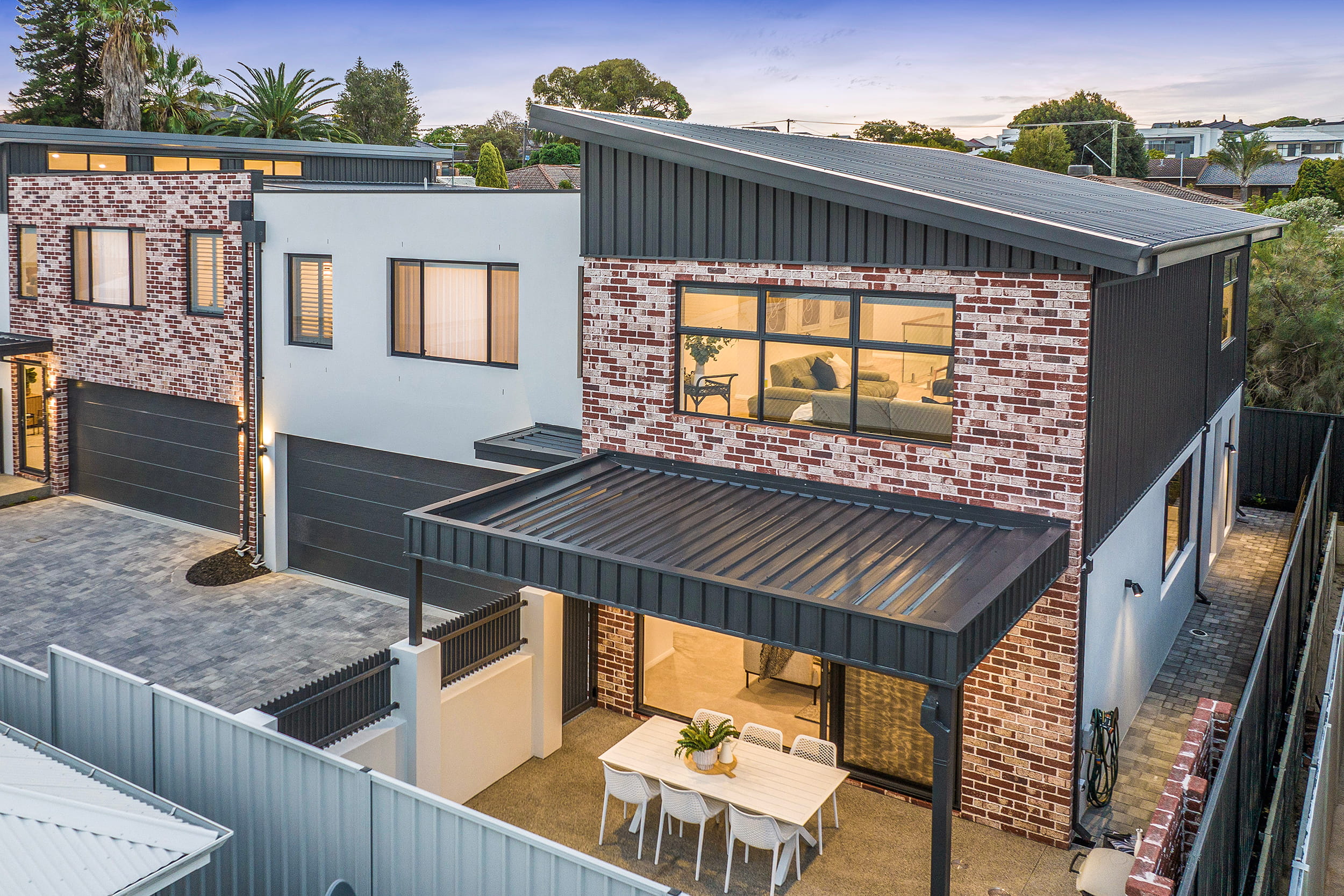
As a commercial metal roofing company, we see all the data – steel is the high-performance choice for our local weather. We know that swapping out heavy tiles for light steel makes sure your property handles the sun, the salt and the storms for up to 70 years.
How Does Metal Roofing Handle The Intense Perth Summer?
Perth summers reach 40°C+, putting a lot of stress on your home. Old tiles are thick, which means they soak up heat and retain it.
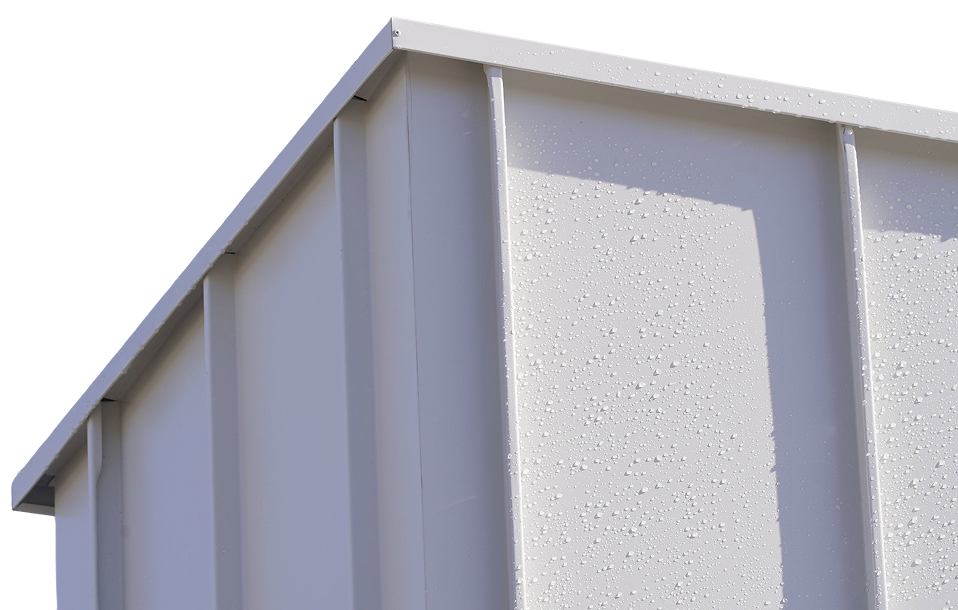
Modern metal roofs, especially in light colours, can reflect up to 70% of the sun’s heat before it even enters your ceiling space.
Because steel is lightweight, it doesn’t retain heat the way heavier materials do. When the sea breeze comes through in the evening, the roof cools quickly. That means you’re not trying to sleep with stored heat radiating down from above.
Faster cooling also reduces the strain on your air-conditioning system, which can help lower energy costs. Unlike heavy tiles that continue releasing heat well into the night, a steel roof allows your home’s temperature to stabilise much sooner.
Can Steel Protect Your Home During The Winter Storm Season?
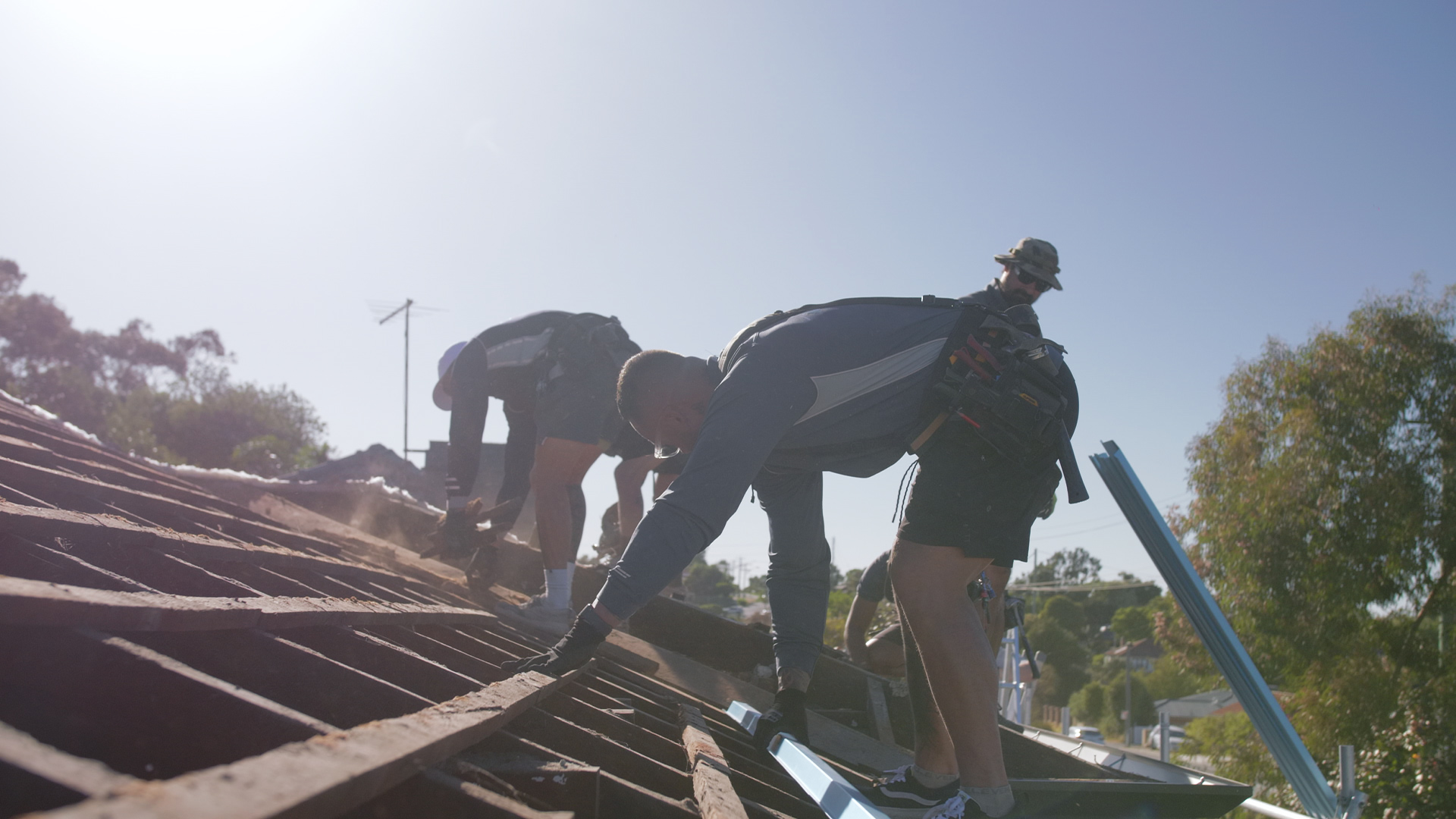
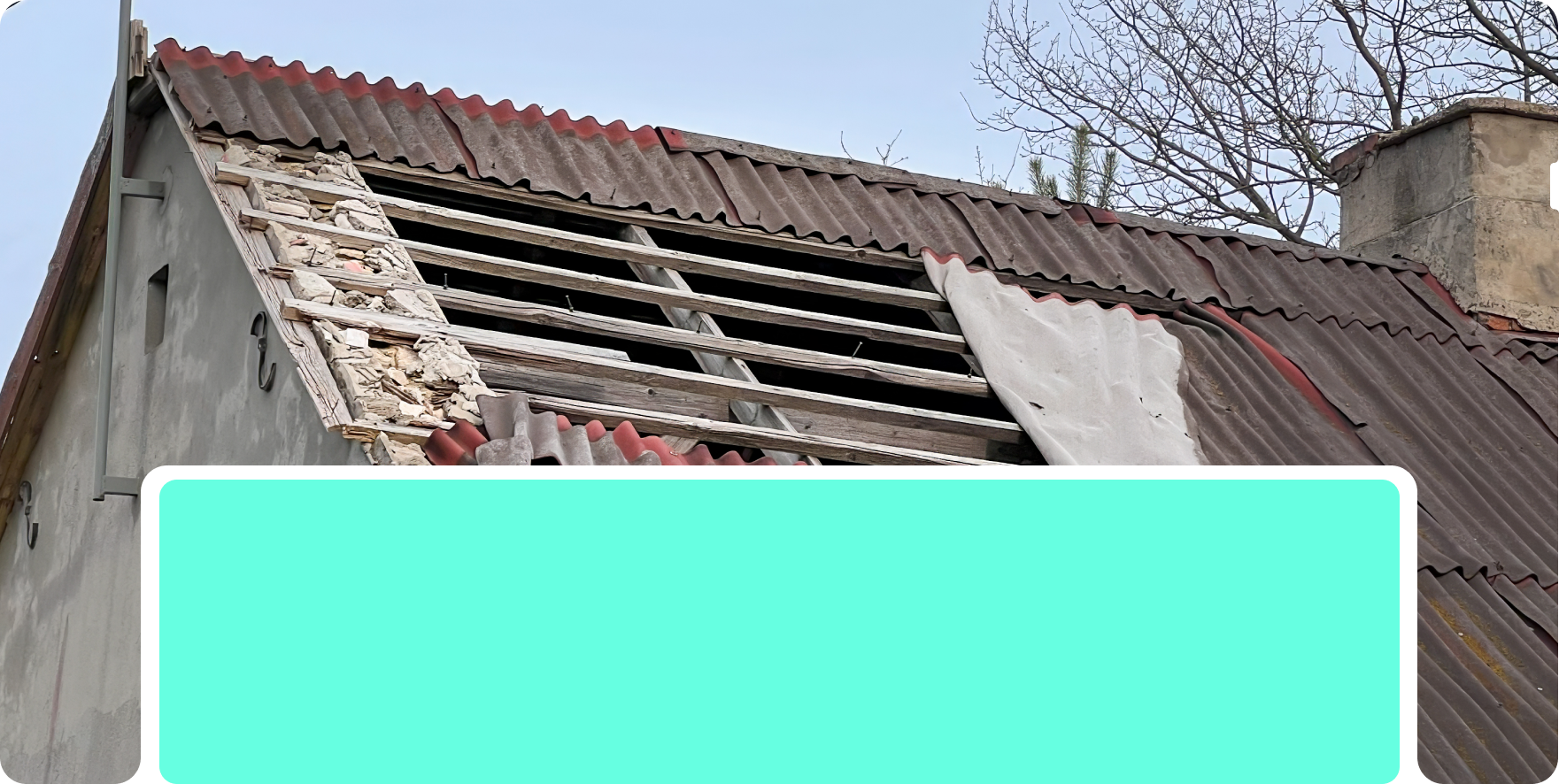
Winter in the West brings heavy rainfall and strong winds. Older roof tiles can shift, crack or lift, allowing water to pool and seep into the roof structure.
Homes located near the Swan River or along the coast are particularly exposed to higher wind speeds. A critical part of a professional installation is using wind-rated fasteners designed to withstand these conditions.
Cyclone-rated fasteners are designed to hold firm under pressure, helping ensure your COLORBOND® steel sheets remain secure during severe winter storms. This wind resistance plays an important role in the long-term durability of the system.
Each fixing point is carefully checked to ensure the roof is properly secured against coastal conditions, including persistent salt-laden air. These high-strength fasteners are engineered to withstand the uplift forces created by local winds, reducing movement that can lead to wear, loosening or leaks over time.
Insider Insights – Precision Grading Stops The Invisible Rust
A key detail in any high-quality build is maintaining the correct roof pitch. Even a minimum fall of around two degrees helps ensure water drains properly rather than pooling along the sheet.
Standing water is one of the most common causes of corrosion and mould growth, even on high-grade steel. A proper slope allows the roof to shed water efficiently and protects its long-term performance.
Using a perfect slope and straight supports, we make sure every drop of rain moves straight to your gutters, leaving your roof dry and your house safe. If the slope is off, even by a tiny bit, the water buildup can slowly eat through the paint.
This focus on moving water fast ensures your Colorbond finish stays new and your attic stays dry, no matter how hard the winter rain hits.
Stop Letting The Perth Weather Tell You How To Live
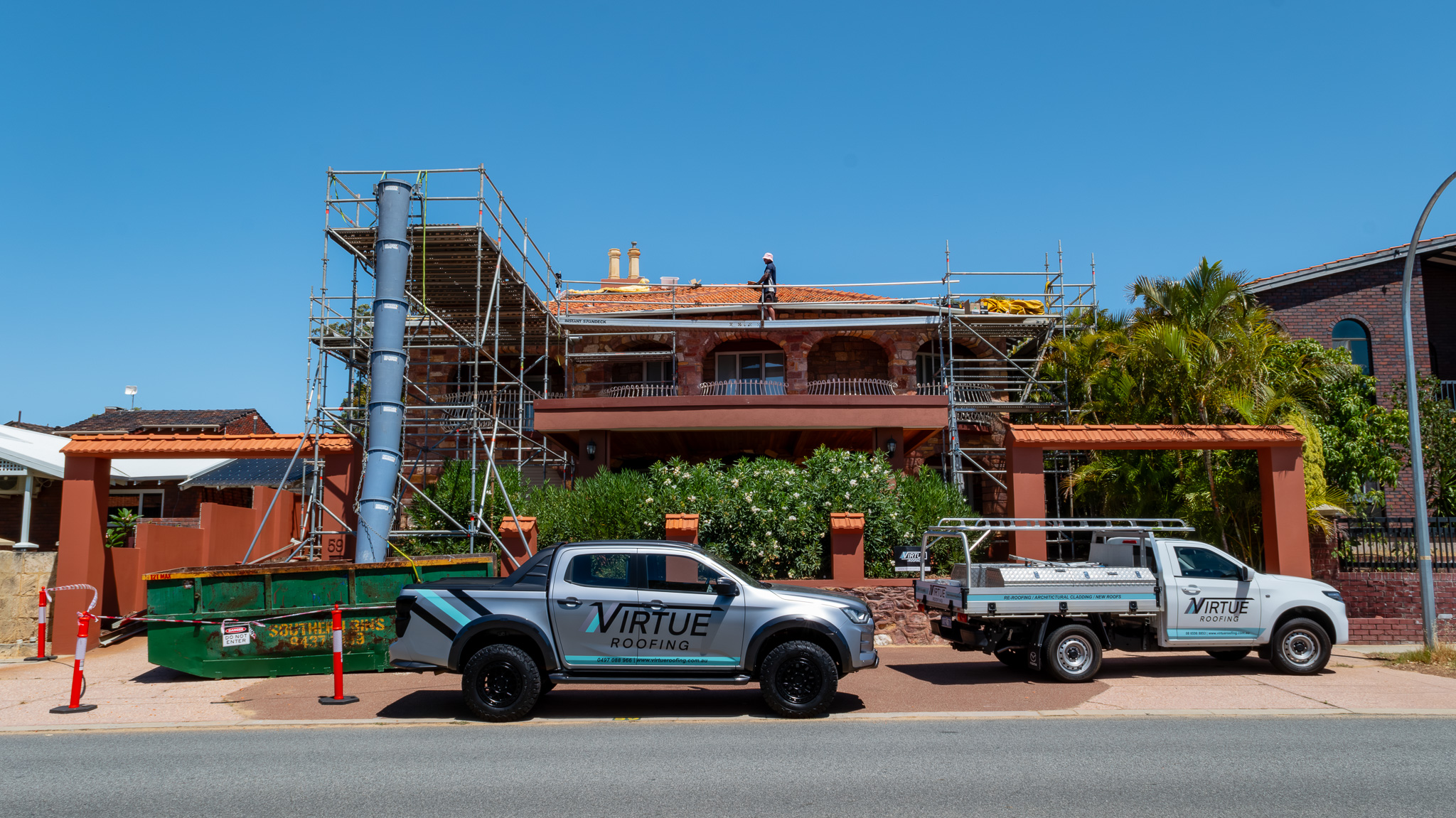
Move out of tiles and into a high-performance steel roof with Virtue Roofing. As your local commercial metal roofing company, we provide features like thick soundproofing that silences the heavy winter rain, making your home as quiet as it is safe.
Before you start, browse our finance options to see how easy it is to secure your project funding through our network of 50+ lenders with our simple four-step process:
- Visit our website to explore your options.
- Finish the simple 5-minute form.
- Wait for the green light – most people get an answer within 24 hours.
- Pick a payment plan that fits your budget and lock in your project date.
Fill out our survey for a free estimate or call us to talk about your project.
FAQS
How does metal roofing affect the environment?
Metal is one of the best choices for your block. It is 100% recyclable and often lasts 40 to 70 years, which cuts the need for new roofs. The energy-saving wins of 70% heat reflection also help you lower your carbon footprint by using less power for cooling.
What is the most popular roof type in Australia?
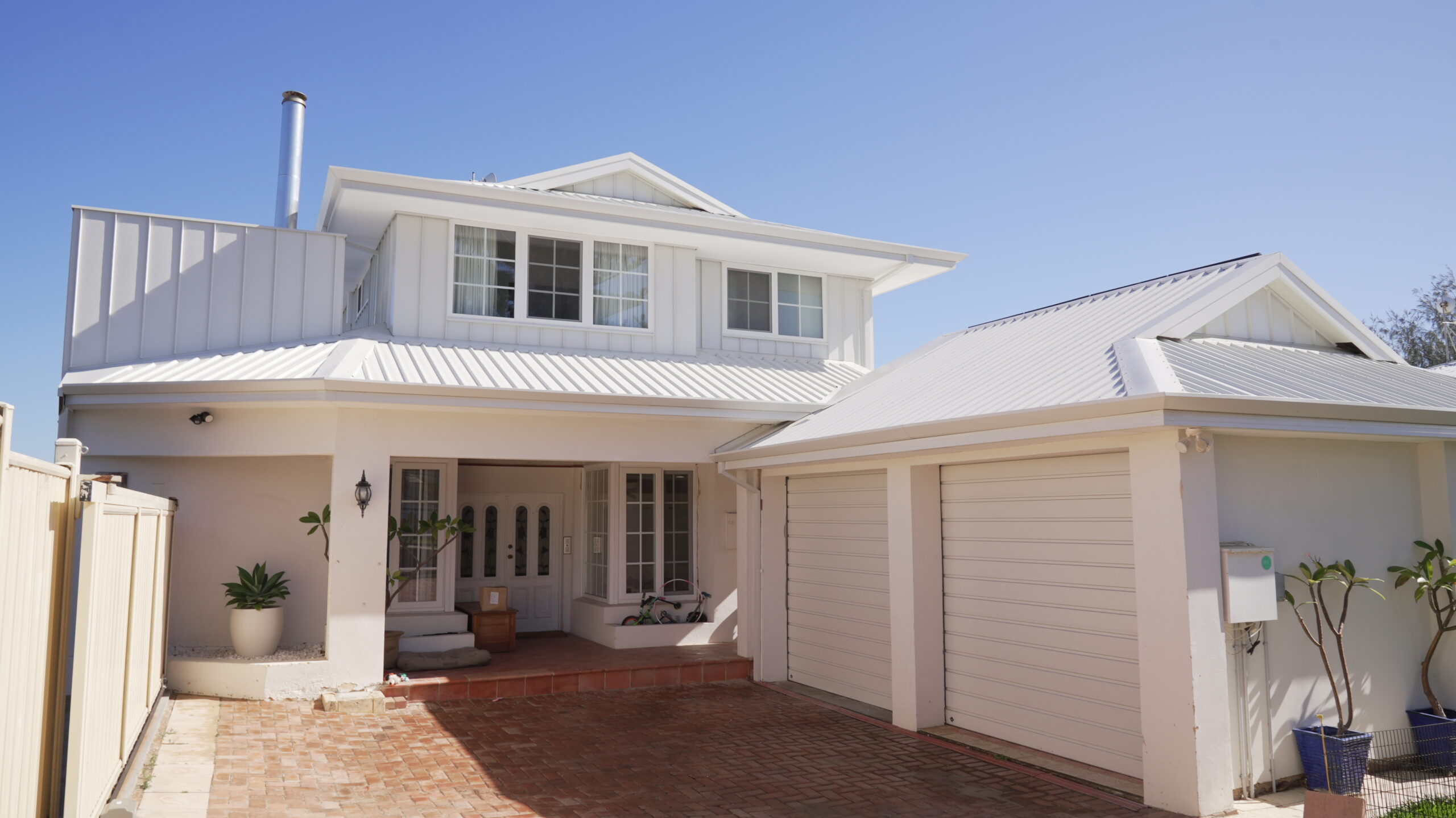
The Hip roof is one of the top picks across the country, especially for homes near the coast. It stays solid against strong winds and works well in every type of weather, making it a great all-rounder for the Perth climate.
What is the best roofing material for coastal areas?
In Australia, high-grade steel and aluminium are the top picks. They stay strong against the weather and use less energy. We use special materials like COLORBOND® or Zincalume that are made to handle salt damage without the rust issues of basic metals.
What are the pros and cons of a metal roof?
The wins are huge: great strength, 70% power savings, and a clean look for your home. The main thing to think about is the higher start cost compared to basic shingles, but the 40-70 year life makes it a much smarter move. Modern insulation also stops any noise issues during rain, keeping your lounge quiet.